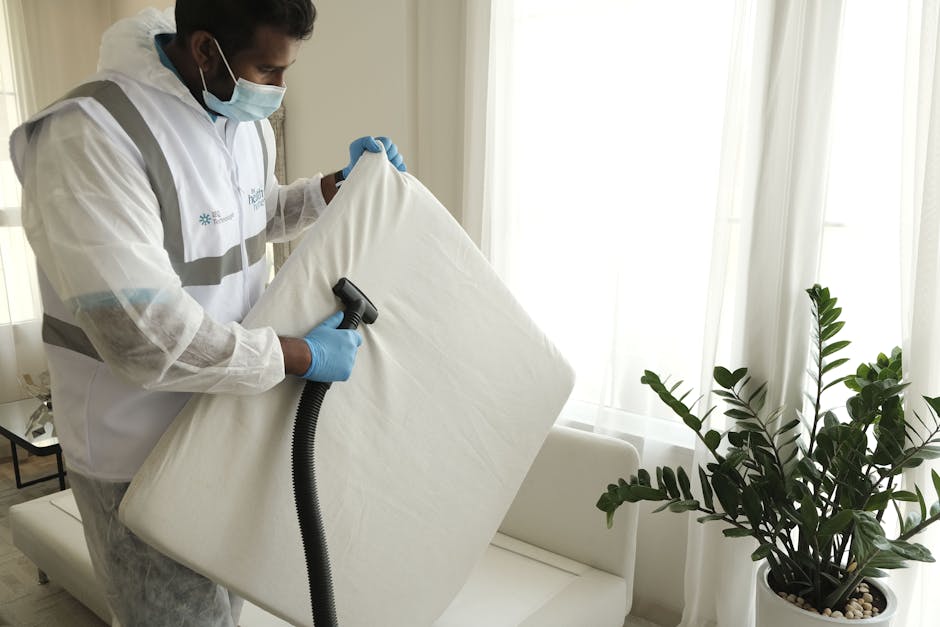
Avoid hidden cleaning charges in Earls Court: a practical guide to fair, transparent cleaning quotes
If you have ever agreed a cleaning price that looked sensible at first and then somehow grew legs at the end, you are not alone. Hidden cleaning charges can turn a straightforward booking into a frustrating little surprise, especially in a busy London area like Earls Court where people want things done quickly, clearly, and without drama. This guide shows you how to avoid hidden cleaning charges in Earls Court, what to check before you book, and how to compare quotes without getting caught out.
Whether you are arranging house cleaning, a deep refresh, or a one-off service, the basics are the same: know what is included, confirm what is extra, and get the details in writing. Simple enough. But, as anyone who has chased a vague invoice knows, the devil is in the wording.
Table of Contents
- Why hidden cleaning charges matter
- How hidden charges usually appear
- Key benefits of transparent pricing
- Who this advice is for
- Step-by-step guidance
- Expert tips for better results
- Common mistakes to avoid
- Tools, resources and recommendations
- Law, compliance and best practice
- Options and comparison table
- Case study or real-world example
- Practical checklist
- Conclusion
- Frequently asked questions
Why hidden cleaning charges in Earls Court matter
Hidden charges are more than an annoyance. They make it harder to budget, harder to compare companies, and harder to trust the person coming through your door. In Earls Court, where many homes are flats, period conversions, managed rentals, and busy professional households, pricing needs to be clear because jobs can vary a lot from one property to the next.
A quote that seems cheap can become expensive if it quietly leaves out essentials such as travel, parking, stain treatment, appliance cleaning, or minimum call-out fees. And that matters even more when you are dealing with a move, a landlord deadline, a post-renovation clean, or an office that needs to reopen the next morning. Nobody wants to be negotiating over a mop bucket at 7:30 a.m.
Transparency also helps you judge quality. A company that explains its pricing well usually explains its process well too. That is not a guarantee, of course, but it is a very decent sign.
Expert summary: The safest way to avoid hidden cleaning charges is to treat every quote as a checklist, not a headline price. Ask what is included, what counts as extra, and how the final total is calculated.
If you are comparing cleaning providers for more specialist work, it can help to look at services like deep cleaning or end of tenancy cleaning so you can see how scope changes the final cost.
How hidden charges usually appear
Hidden charges rarely announce themselves. They tend to creep in through unclear wording, rushed bookings, or assumptions that both sides think they share. One person says "clean the flat," another hears "basic surface clean," and the invoice later tells a different story. Not ideal.
Common ways extra costs get added
- Room or item surcharges: extra charges for additional bedrooms, bathrooms, ovens, rugs, sofas, or windows.
- Condition-based fees: higher rates for heavy dirt, post-party mess, smoke residue, pet hair, or long-neglected areas.
- Access costs: charges for difficult parking, stairs, no lift access, timed entry issues, or congestion around the property.
- Equipment or product fees: add-ons for specialist stain removal, carpet treatment, or specific machinery.
- Minimum charges: a lower-than-expected quote that rises to meet a minimum spend.
- Urgent booking fees: same-day, evening, or weekend premiums.
There is nothing inherently wrong with charging more for more work. The problem is when it is not made obvious before you agree. A trustworthy cleaning company should spell out how it prices the work and when the cost changes.
Why Earls Court properties can be tricky
Earls Court has a mix of property types, and that affects cleaning expectations. A compact studio near transport links is not the same as a larger family flat with a hallway, high ceilings, or delicate surfaces. If the cleaner has to carry equipment upstairs or work around tight access, the job can take longer. Fair enough. But those factors should be explained in advance, not used as a post-job surprise.
Key benefits and practical advantages
Getting pricing right is not just about saving money. It gives you control. It helps you book with confidence, compare like for like, and avoid those awkward "we hadn't discussed that" moments that nobody enjoys.
- Clear budgeting: you know the likely total before work starts.
- Better comparisons: you can compare providers on genuine value, not just the cheapest headline figure.
- Less stress: no last-minute haggling or invoice shock.
- Better service match: the quote reflects the actual job, so expectations are aligned.
- More trust: clear pricing often goes hand in hand with clear communication and better customer care.
There is also a practical side for recurring customers. If you use domestic cleaning or regular home cleaners, transparency makes it much easier to adjust the service over time without confusion.
And yes, it can save money. But just as importantly, it saves time. You are not chasing clarification emails or wondering whether the price you saw online was real, or just the digital equivalent of a wink.
Who this is for and when it makes sense
This advice is useful for almost anyone booking cleaning in Earls Court, but especially if your job has more moving parts than a simple quick tidy.
It makes sense if you are:
- moving out and need a final clean for landlord or agent expectations
- moving into a new place and want a fresh start without extras creeping in
- booking a one-off reset after renovation or a very busy period
- comparing quotes from multiple providers
- trying to manage cleaning within a fixed household or office budget
- booking specialist work such as carpet, sofa, rug, or window cleaning
If you are arranging more specialist tasks, it is worth checking the scope carefully for services like carpet cleaning, sofa cleaning, or window cleaning, because each one can involve different labour, equipment, and preparation.
For offices, the same logic applies. Office sites can have access windows, security rules, and time-sensitive requirements, so clear pricing matters even more. If that is your world, have a look at office cleaning and office cleaners.
Step-by-step guidance
Here is the simplest way to avoid hidden cleaning charges in Earls Court without turning the process into a long admin project.
- Define the job properly. List the rooms, surfaces, and items you want cleaned. Be specific: bedroom carpets, kitchen appliances, bathroom tiles, sofa, hallway, internal windows, and so on.
- Explain the condition honestly. Light dusting and a recent tidy are very different from heavy build-up, pet hair, or post-builders grime. The more accurate you are, the better the quote.
- Ask what the base price includes. Does it cover labour, tools, products, travel time, VAT if applicable, and any minimum call-out? Do not assume.
- Ask what counts as extra. Stains, limescale, ovens, blinds, high windows, upholstery, stair access, or same-day bookings can all change the total.
- Request a written quote. A message, email, or itemised estimate is much better than a vague "around GBPX" in a phone call.
- Check for access and parking conditions. In London, this one catches people out all the time. If parking or entry is tricky, mention it early.
- Read the terms. That includes cancellation, rescheduling, payment timing, and any charge for wasted visits or missed access.
- Confirm the final figure before the job starts. This is the key moment. If the scope has changed, agree the revised cost first.
A small but useful habit: save the quote in your inbox and keep the original message with any details you gave. It sounds a bit fussy, but it can prevent messy misunderstandings later.
If you are booking a specialist clean, it can help to review the service pages for rug cleaning, upholstery cleaning, or oven cleaning so you know how detailed the job may be.
Expert tips for better results
In our experience, the customers who avoid hidden charges most reliably are not the ones who search hardest for the cheapest price. They are the ones who ask better questions. That is the real trick.
- Use itemised wording. Instead of asking for "a clean," list exactly what you want done.
- Be honest about the condition. If there is a wine mark on the carpet or grease in the oven, say so early.
- Ask for exclusions. Knowing what is not included can be just as important as knowing what is.
- Keep the booking conversation in writing. Email is your friend here.
- Check whether the quote is fixed or estimated. A fixed price offers more certainty; an estimate may change if the job changes.
- Look at service depth, not just the service name. Two providers may both say "deep clean," but mean very different things.
If a provider offers one-off cleaning, ask how that differs from a standard domestic visit. One-off jobs often need more time, more supplies, or a bigger initial reset. That is normal. Just make sure the pricing reflects it clearly.
Another useful habit: ask whether any add-ons are optional. Sometimes you may not need a full upholstery treatment, for example, if a spot clean is enough. A good cleaner will explain the choices rather than pushing everything into the quote. Nice when that happens, actually.
Common mistakes to avoid
Most hidden-charge problems come from a handful of very human mistakes. Nothing dramatic. Just the kind of assumptions that happen when you are busy.
- Only asking for a total price: a single number without context can hide lots of caveats.
- Forgetting access issues: stairs, parking, gated entry, or time restrictions can all matter.
- Assuming "standard clean" means the same everywhere: it does not.
- Not mentioning special items: ovens, rugs, sofas, blinds, and hard floors often need separate pricing.
- Skipping the terms and conditions: boring, yes, but useful.
- Agreeing to extras after the cleaner arrives without checking the price: this is where the trouble usually starts.
There is also a subtle one: comparing providers only on what is visible on the quote, not what is missing. A cheaper figure can be more expensive if it excludes things another company includes as standard. That is why a pricing comparison needs a bit of patience.
Tools, resources and recommendations
You do not need fancy software to avoid hidden charges. A simple checklist and a few documents are usually enough. Still, a bit of structure helps.
Useful things to keep to hand
- A room-by-room list of what needs cleaning
- Photos if the job is awkward, heavy, or especially dirty
- The written quote and any follow-up messages
- Access notes such as entry codes, parking details, or lift restrictions
- Your preferred service date and any deadline, like move-out day or office reopening
If you want to understand the company behind the service, pages like about us and pricing and quotes can help you judge how openly they explain their approach. For policies around security and payments, payment and security is also worth a read.
For peace of mind on reliability and standards, it can be helpful to review insurance and safety and the company's terms and conditions. These pages tell you more about how the business works than a sales pitch ever will.
Law, compliance, standards, and best practice
We should be careful here. Pricing practices can involve consumer law, contract terms, and business transparency, but the exact details depend on the service, the wording used, and the facts of the booking. Rather than overstate anything, the safest practical advice is to insist on clear pre-contract information and written confirmation of the agreed scope.
In plain English, that means you should know:
- what service you are buying
- what the price includes
- what could make the price change
- when payment is due
- what happens if access is delayed or the job scope expands
Good practice also means a cleaner should not spring major extra charges on you after the work is done unless those extras were clearly explained and agreed in advance. That is just sensible. It is also the kind of thing that reduces complaints later, which everyone appreciates.
For customers who care about how a business handles issues, it is useful to know whether they publish a complaints procedure. That does not mean something will go wrong. It just means the company has thought about what happens if it does.
If sustainability matters to you, a page like recycling and sustainability may also show how the company approaches waste, products, and responsible working practices. Small detail, but it tells you something.
Options and comparison table
Below is a simple comparison to help you choose the right pricing approach for your situation.
| Pricing approach | How it works | Best for | Main risk |
|---|---|---|---|
| Fixed quote | The cleaner agrees one set price for the defined job | Clear, well-defined jobs with full details | Extras may still apply if the scope changes and that is not clarified |
| Estimated quote | The cleaner gives a likely cost range before attending | Jobs where condition or access is uncertain | The final figure may rise if the job takes longer than expected |
| Hourly rate | You pay by the hour for time spent on site | Flexible or mixed cleaning tasks | Costs can climb if the job is bigger than expected |
| Package pricing | Set bundles for certain rooms or items | Standard domestic cleans or common add-ons | Package limits can hide extra-item charges |
For most people, a well-defined fixed quote is the easiest way to avoid nasty surprises. But if the job is still a bit vague, a careful estimate can be better than forcing a fixed number too early. Truth be told, the best option is the one that matches the job honestly.
Case study or real-world example
A tenant in Earls Court booked a "full flat clean" before moving out. The first quote looked fine, but it did not mention the oven, internal windows, stair access, or a stained hallway carpet. Once those details came out, the total cost would have jumped significantly.
Instead of accepting that uncertainty, the tenant sent a room list, a couple of photos, and a short note saying the property had a narrow stairwell and a fairly tired carpet in the hallway. The cleaner updated the quote in writing. The final price was higher than the original headline number, but it was no longer a surprise. More importantly, both sides knew exactly what was being done.
That is the point. Hidden charges are not always about bad faith. Sometimes they are just the result of incomplete information. But if you provide better information early, the whole job tends to go more smoothly. Less friction, fewer phone calls, much nicer all round.
Practical checklist
Use this before you confirm any cleaning booking in Earls Court.
- Have I described every room, item, and surface that needs cleaning?
- Have I said whether the property is lightly used, heavily soiled, or somewhere in between?
- Do I know whether the price includes products, equipment, and travel?
- Have I asked about parking, stairs, lifts, and access windows?
- Do I know which tasks are extra?
- Have I confirmed whether the quote is fixed, estimated, or hourly?
- Have I asked about cancellation, rescheduling, or missed-access fees?
- Is the agreed scope written down somewhere I can find easily?
- Have I checked that specialist items are listed separately if needed?
- Do I understand when payment is due and how it should be made?
If you can tick most of those boxes, you are already ahead of many people. That is not sarcasm; it is just how the market works.
Conclusion
To avoid hidden cleaning charges in Earls Court, focus on clarity before the clean begins. Describe the job properly, ask what is included, get the quote in writing, and check what could change the final price. That simple routine saves money, reduces stress, and makes it much easier to choose a cleaner you can actually trust.
In a neighbourhood where people value speed, convenience, and straight answers, transparent pricing is not a luxury. It is the baseline. And once you get used to it, you will wonder why you ever accepted anything less.
Get a free quote today and see how much you can save.
If you would like a company that takes clarity seriously, start with the service information, compare the scope carefully, and choose the option that feels honest rather than flashy. That steady approach tends to pay off. Quietly, but properly.
Frequently Asked Questions
What counts as a hidden cleaning charge?
A hidden cleaning charge is any extra fee that was not clearly explained before the job started. It might be for access, extra rooms, specialist items, or a higher level of dirt than expected.
How can I compare cleaning quotes fairly?
Compare like for like. Check whether each quote includes labour, supplies, travel, parking, VAT if relevant, and any specialist tasks. A cheaper quote is not always better if it excludes essentials.
Should I ask for a fixed price or an estimate?
If the job is clearly defined, a fixed price is often easiest. If the property condition or access is uncertain, a careful estimate may be more realistic. Just make sure you understand when the cost can change.
Are extra charges ever reasonable?
Yes, if they are explained in advance and reflect real extra work. The issue is not charging more for more work. The issue is springing it on the customer afterwards.
What details should I send before getting a quote?
Send the room count, property type, condition, access notes, parking information, and any specialist items like ovens, carpets, rugs, or upholstery. Photos can help if the job is awkward.
Do Earls Court flats need special pricing?
Sometimes they do. Stairs, parking, tight access, or building rules can affect time and cost. That is normal, but it should be explained clearly.
How do I avoid last-minute surprises on the day?
Confirm the scope before the cleaner arrives, keep the quote in writing, and agree the price if the job changes. If an extra task is requested, ask what it will cost before saying yes.
Are specialist services more likely to have add-ons?
They can be. Carpet, sofa, rug, oven, and window cleaning often involve different equipment or more detailed work, so the quote should be specific about what is included.
Why does one company seem much cheaper than another?
Often because the cheaper quote includes less. It may leave out travel, materials, or additional tasks. Sometimes it is simply a different service scope. Always check the small print, if there is any.
What should I do if the final bill is higher than agreed?
Ask for a clear explanation and compare it with the written quote or messages you saved. If something was not agreed beforehand, you can challenge it politely and firmly. A proper complaints process can help here too.
Is it better to choose a local cleaning company?
A local provider can be easier to communicate with and may understand the access quirks of the area better. But local alone is not enough; you still need transparent pricing and clear terms.
How often should I review cleaning costs?
If you use regular cleaning, review the price whenever the job changes, such as after a move, renovation, or new room being added. Even a small change can affect the total.
In the end, the best protection is simple: ask clear questions, expect clear answers, and do not rush the booking when the details matter. That little bit of care goes a long way.