Warwick Road sofa cleaning experts Earls Court: a practical local guide to cleaner, fresher upholstery
If your sofa is starting to look tired, hold on to smells, or show a few mysterious marks that appeared overnight, you are not alone. In busy Earls Court homes, especially around Warwick Road, sofas take a fair bit of daily wear: coffee spills, pet fur, dust, street grit, and the odd snack crumb that seems to vanish into the cushions forever. This guide to Warwick Road sofa cleaning experts Earls Court explains what professional sofa cleaning actually involves, why it matters, how the process works, and how to choose the right approach for your fabric and your home.
We will keep things practical. No fluff, no overcomplicated jargon. Just clear advice on stain removal, upholstery care, drying times, common mistakes, and what to expect from a reputable local cleaning company. If you are comparing options, it can also help to understand the wider service picture, from sofa cleaning and upholstery cleaning through to deep cleaning for the rest of the property. Right, let's get into it.
Why Warwick Road sofa cleaning experts Earls Court Matters
Sofas absorb more than most people realise. Body oils build up slowly, dust settles into seams, and fabrics trap odours from cooking, pets, shoes, and everyday living. In an area like Earls Court, where flats can be compact and living rooms pull double duty as dining rooms, home offices, and social spaces, upholstery can get dirty faster than expected.
That matters for a few reasons. First, a clean sofa simply looks better. It lifts the whole room, especially in smaller London properties where one worn-out item can dominate the visual feel of a space. Second, upholstery hygiene affects comfort. When fabric starts to hold onto odours or dust, you notice it every time you sit down. And third, regular maintenance helps protect the material itself. Dirt and grit act a bit like fine sandpaper over time, especially on high-contact areas such as armrests, headrests, and seat cushions.
There is also a trust element. A sofa is one of the biggest soft furnishings in the home, and most people would rather not gamble with the wrong cleaning method. A good cleaner understands fibre types, colourfastness, pile direction, and the difference between a surface refresh and a genuine restorative clean. That sounds technical, but in plain English it means they know how to clean your sofa without making matters worse. Honestly, that peace of mind counts for a lot.
Expert summary: The best sofa cleaning is not just about removing visible stains. It is about matching the method to the fabric, controlling moisture, protecting the upholstery structure, and leaving the room fresh without over-wetting the furniture.
If you are comparing a one-off refresh with a broader home clean, it is worth looking at services such as one-off cleaning or domestic cleaning as part of the bigger picture. Sometimes the sofa is the symptom, not the whole story.
How Warwick Road sofa cleaning experts Earls Court Works
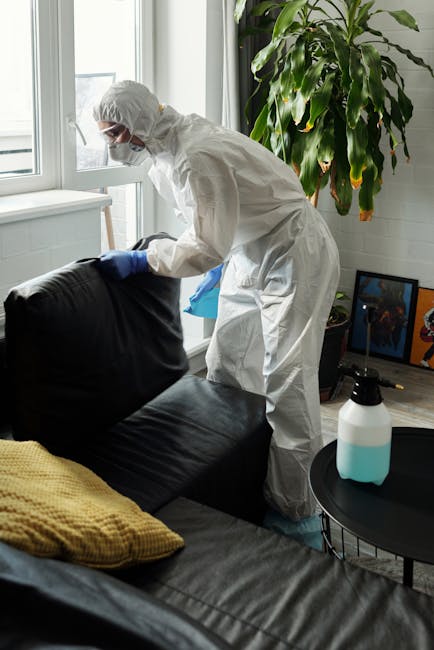
Professional sofa cleaning usually begins with an inspection. The cleaner identifies the fabric type, checks for existing damage, looks for old stains, and decides what cleaning method is suitable. This first step is crucial. A cotton blend, a synthetic microfibre, a velvet finish, and a delicate natural fibre do not all behave the same way. What works beautifully on one may be too aggressive for another.
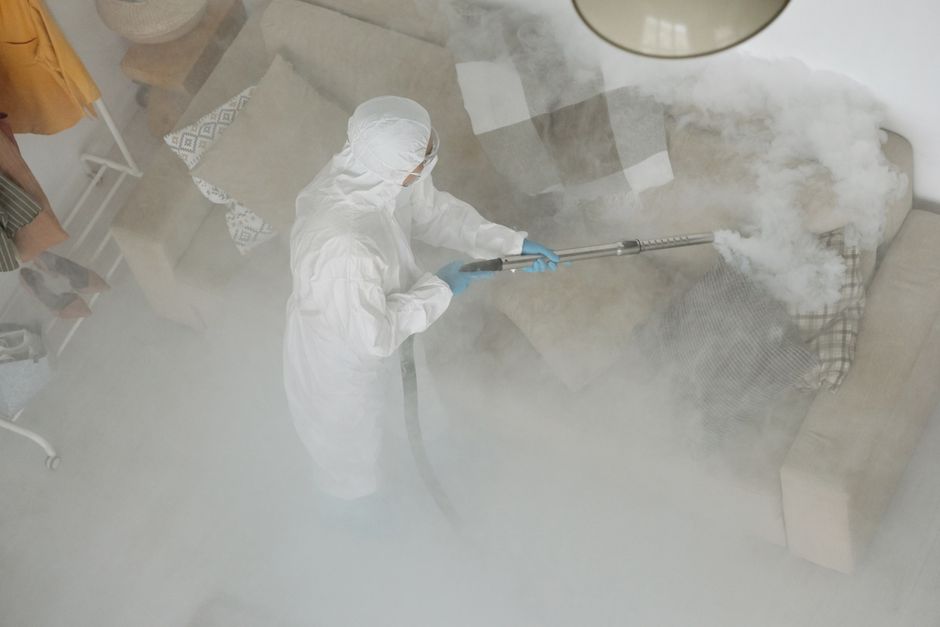
Most experienced upholstery cleaners will then pre-treat the fabric with a suitable solution, focusing on problem areas such as armrests, headrests, cup marks, and food spills. After that, they use a specialist extraction or low-moisture cleaning method to lift out dirt and residue. The aim is to remove grime rather than push it deeper into the upholstery. Simple, but not always easy.
Drying matters just as much as cleaning. Over-wetting can leave a sofa feeling damp for too long, which may encourage lingering odours or even fabric distortion. Good practice is to use controlled moisture and strong airflow, then advise the customer on how long to leave cushions off the sofa or windows open for ventilation. On a damp London afternoon, that advice becomes very useful very quickly.
In some cases, a technician may also apply a fabric protector after cleaning. This is not a magic shield, and it should never be oversold. But it can help make future spill cleanup easier and slow down the rate at which everyday dirt settles into the weave.
For homes that need a broader refresh, many people combine upholstery care with carpet cleaning or even house cleaning. That keeps the whole room feeling properly reset rather than patchworked.
Key Benefits and Practical Advantages
There are obvious benefits, and then there are the quieter ones that people only notice a few days later. Both matter.
- Better appearance: Everyday marks, dull patches, and tired-looking cushions become much less noticeable.
- Fresher smell: Fabric odours are reduced rather than covered up with sprays.
- Longer furniture life: Dirt removal helps prevent premature wear and fibre abrasion.
- More comfortable living space: A clean sofa feels better to use, full stop.
- Improved first impressions: Useful if you have guests coming, a property viewing, or a tenancy inspection looming.
- Better fabric care: A proper method reduces the risk of colour loss or shrinkage.
There is a practical financial angle too. Replacing a sofa is expensive, awkward, and usually a bit of a domestic ordeal. Professional cleaning can extend the usable life of furniture that still has plenty left in it. To be fair, that is often the real win.
For landlords, tenants, and homeowners alike, a freshly cleaned sofa can also support a broader maintenance routine. If you are already arranging end of tenancy cleaning or general cleaning company support, upholstery is one of those finishing touches that makes the property feel properly cared for.
Who This Is For and When It Makes Sense
This service is not only for people with obviously dirty sofas. In fact, that is often too late. The best time to clean upholstery is before the fabric looks badly worn. Once grime becomes embedded, the job gets harder and the results can be less even.
It makes sense if you are:
- a homeowner who wants to refresh a well-used living room
- a tenant preparing for a checkout inspection
- a landlord getting a flat ready for new occupants
- a family managing spills, pets, and heavy daily use
- someone with allergies who wants less dust trapped in soft furnishings
- an office manager with reception seating that needs to stay presentable
It is also worth considering after a renovation or decorating project. Fine dust gets everywhere. Even when the rooms look clean, upholstery may still be holding onto microscopic residue. In those cases, pairing sofa care with after builders cleaning can make a noticeable difference.
Sometimes the trigger is emotional rather than practical. A sofa can become the one thing in the room that feels a bit grim, and you keep noticing it every evening. If that is you, you are probably overdue for action. No shame there.
Step-by-Step Guidance
If you want to understand how a good sofa clean should unfold, this is the basic flow. The details vary by fabric and stain type, but the sequence is usually similar.
- Identify the upholstery: Check the care label if possible and note any loose seams, fading, or worn sections.
- Test a hidden area: A reputable cleaner should test a small patch first, especially on delicate fabrics.
- Vacuum thoroughly: Dust, crumbs, hair, and grit should be removed from seams and under cushions before wet cleaning begins.
- Pre-treat spots: Stains are treated individually rather than attacked with a one-solution-fits-all approach.
- Clean with the right method: This may involve low-moisture cleaning, hot water extraction, or a fabric-safe foam system.
- Rinse or extract properly: Residue left behind can attract dirt again, so this part matters more than people think.
- Speed up drying: Airflow and sensible post-clean instructions help avoid damp smells.
- Inspect the result: A final check should confirm that cleaning has been even and that no area has been over-saturated.
If you are doing small maintenance yourself between professional visits, vacuum slowly and use a soft upholstery attachment. Rushing this step is a bit like wiping a muddy window with a dry tissue. It looks busy, but not very effective.
Expert Tips for Better Results
Here is where a little know-how goes a long way. These are the sorts of details that separate a decent result from a genuinely good one.
- Tackle spills early: Fresh stains are far easier to remove than older ones that have dried and oxidised.
- Blot, do not rub: Rubbing pushes the stain deeper and can rough up the fabric pile.
- Keep track of fabric type: Velvet, linen blends, synthetics, and suede-effect materials all need different handling.
- Use gentle airflow for drying: A fan and open windows can help, especially in rooms that feel a bit stuffy.
- Rotate cushions: Even wear is underrated. It helps the sofa age more evenly.
- Vacuum weekly if possible: A little upkeep stops dirt from settling into the weave.
- Ask about stain type honesty: Good cleaners will tell you when a stain may improve rather than disappear completely. That honesty is a good sign.
If the sofa is part of a larger home-care routine, you may also benefit from services like home cleaners or deep cleaning. It depends on whether the issue is just upholstery, or the whole room needs a reset.
Little tip from the real world: if the room smells faintly of stale fabric in the morning, that is usually a clue the sofa wants attention. Not always, but often enough.
Common Mistakes to Avoid
People often make the same few errors with upholstered furniture. They are understandable, but still worth avoiding.
- Using too much water: This can lead to long drying times and uneven marks.
- Applying random household products: Some cleaners leave rings, bleach patches, or sticky residue.
- Scrubbing aggressively: That can distort fibres and make the damaged patch stand out even more.
- Ignoring the care label: It is there for a reason, even if it looks annoyingly small.
- Cleaning only the visible stain: Spot cleaning alone can leave the rest of the sofa looking uneven.
- Skipping a vacuum first: Dirt turns into slurry if you go straight in with liquid.
Another common issue is trying to speed things up with too much heat. Sounds clever. Often is not. High heat can set certain stains or alter delicate fibres. Better to use controlled drying and patience than to force the issue.
And, yes, we have all seen the old trick of testing a mystery cleaner on the front armrest because it was convenient. That is usually the worst possible spot. A tiny hidden patch is always smarter.
Tools, Resources and Recommendations
You do not need a truckload of equipment for routine sofa care, but the right tools make a huge difference. For regular upkeep, a vacuum with an upholstery attachment, a soft brush, microfibre cloths, and a neutral fabric-safe spot treatment are useful basics.
For professional work, the important thing is not the brand of machine but whether the operator chooses the correct method for the fabric. Low-moisture systems are often preferred for delicate upholstery, while more robust fabrics may tolerate extraction cleaning if used correctly.
When comparing providers, look for practical signs of competence rather than glossy language. A reliable local team should be able to explain:
- what your sofa fabric is likely to be
- which method they recommend and why
- how long drying should take in normal conditions
- what happens if a stain does not fully lift
- whether protective treatment is optional or included
If you are checking out the company behind the service, pages like about us, insurance and safety, and health and safety policy can help you judge how seriously they take their work. That sort of detail matters more than people admit.
For pricing questions, a clear pricing and quotes page is often a good sign. So is straightforward information about payment and security. Nobody wants surprises at the end of a clean. Nobody.
Law, Compliance, Standards, or Best Practice
For sofa cleaning, the key compliance issue is less about one dramatic law and more about sensible, responsible practice. In the UK, professional cleaners should work safely, use products appropriately, and avoid making misleading claims about what a treatment can do. If a provider is handling homes, flats, or shared spaces, they should also think carefully about access, electrical safety, ventilation, and moisture control.
From a customer perspective, the best practice checklist is simple:
- make sure the company is properly insured
- ask how they handle delicate fabrics
- check whether their method suits your upholstery care label
- be clear about any known stains, odours, or damage in advance
- understand the likely drying window before you book
It is also sensible to review terms and service boundaries before booking. That includes the company's terms and conditions and, if you want to understand how concerns are handled, the complaints procedure. Straightforward, yes, but very useful if expectations need to be aligned.
For properties where sustainability is important, it may also be reassuring to check a provider's recycling and sustainability approach. Not every clean needs a big environmental statement, but sensible product use and waste handling are part of good professional practice.
Options, Methods, or Comparison Table
Not every sofa needs the same level of intervention. Here is a simple comparison of the main approaches people usually consider.
| Method | Best for | Strengths | Limitations |
|---|---|---|---|
| Light vacuum and spot care | Routine maintenance | Quick, inexpensive, useful between deeper cleans | Won't remove deep grime or embedded odours |
| DIY upholstery cleaning | Small fresh marks on suitable fabrics | Convenient and flexible | Easy to over-wet or use the wrong product |
| Professional low-moisture clean | Delicate or lightly soiled sofas | Controlled drying, fabric-friendly, even finish | May not fully remove old, set-in stains |
| Professional extraction clean | More robust fabrics and heavier soiling | Deep dirt removal, strong refresh, good for used sofas | Needs good technique to avoid excess moisture |
In real life, the best option often depends on the sofa's age and condition, not just the stain itself. A newer microfibre corner sofa in good shape may respond brilliantly to a careful clean. A faded older sofa with fragile seams may need a gentler, more conservative approach. There is no single hero method. Annoying, but true.
Case Study or Real-World Example
Here is a realistic example from the kind of situation many Earls Court residents face. A family on Warwick Road had a three-seater sofa in a living room that doubled as a dining area. Over time, the armrests had darkened, the cushions had picked up a faint smell of cooking, and one seat had a drink mark that had never quite disappeared. Nothing dramatic. Just enough to make the whole room feel a bit off.
The first step was a careful inspection. The fabric was checked for wear and old damage, then the cleaner tested a discreet area before starting. Loose debris was vacuumed out of the seams, followed by targeted pre-treatment on the armrests and central seat areas. A controlled cleaning method was used to avoid soaking the foam, and the technician gave clear advice on airflow and drying time.
The result was not a "brand new sofa out of the box" miracle. That would be unrealistic. But the sofa looked brighter, the room smelled fresher, and the stubborn darkening on the arms was dramatically reduced. More importantly, the family felt comfortable using the sofa again without that little mental nudge saying, "We really should sort that out."
That is often what good sofa cleaning does. It removes the background annoyance. Quietly. Properly.
Practical Checklist
Use this checklist before you book or carry out any sofa cleaning work:
- Check the sofa care label if you can find it.
- Note any visible stains, odours, burns, tears, or loose stitching.
- Identify whether the fabric is delicate, synthetic, or heavily used.
- Ask how the cleaner tests the fabric first.
- Confirm the expected drying time.
- Move nearby items away from the sofa before the appointment.
- Vacuum cushions and seams if you are doing a prep clean.
- Keep pets and children away until the sofa is dry.
- Ask about optional protection treatment if spill resistance matters to you.
- Review the provider's privacy policy and service details if you are sharing booking information online.
Checklist done? Good. That already puts you ahead of plenty of rushed bookings. A little prep saves a lot of hassle later.
Conclusion
Warwick Road sofa cleaning experts Earls Court are there to do more than make upholstery look tidy for a day. The real value is in protecting your furniture, improving the comfort of your home, and dealing with dirt in a way that suits the fabric rather than guessing at it. Whether you live in a compact flat, manage a rental, or simply want your living room to feel fresh again, the right approach can make a surprisingly big difference.
Focus on fabric safety, controlled moisture, honest expectations, and proper aftercare. That combination tends to produce the best results. And if you are comparing upholstery care with broader household support, remember that related services like cleaners, house cleaning, and rug cleaning can help the whole room feel coherent again, not just patched up.
If your sofa has been quietly bothering you for weeks, that is usually your cue. Best not leave it until the marks have become part of the furniture, so to speak.
Get a free quote today and see how much you can save.
Frequently Asked Questions
How often should a sofa be professionally cleaned?
For most homes, a professional clean every 12 to 18 months is a sensible starting point, though heavy use, pets, children, or allergies may justify more frequent attention. If the sofa is in a busy family room, you may notice dirt building up sooner than expected.
Can all sofa fabrics be steam cleaned?
No. Some fabrics tolerate moisture well, but others can shrink, mark, or distort. That is why a fabric test and care label check matter. A good cleaner will choose the method based on the upholstery rather than forcing one approach on every sofa.
Will sofa cleaning remove all stains?
Not always. Fresh stains are much more likely to lift than old, set-in marks, and some substances permanently alter fabric fibres or dye. A reputable cleaner should explain what is realistic before starting rather than promising a miracle. Better that way, really.
How long does a sofa take to dry after cleaning?
Drying time depends on the fabric, method used, ventilation, and room temperature. Some sofas dry fairly quickly, while others need longer. In a typical London flat, good airflow helps a lot. If a room feels damp already, drying can take a bit longer.
Is sofa cleaning safe for pets and children?
It can be, provided suitable products are used and the sofa is left to dry properly before anyone sits on it again. If you have pets or young children, it is wise to keep them off the furniture until the cleaner confirms it is ready.
What should I do before the cleaner arrives?
Remove loose items, cushions if requested, nearby throws, and anything fragile around the sofa. It also helps to vacuum around the area and point out any problem stains or damage. A five-minute tidy can save a lot of back-and-forth.
Is professional sofa cleaning worth it for an older sofa?
Often yes, if the frame and fabric are still in decent condition. A clean can refresh appearance and comfort, even on older pieces. If the upholstery is badly worn, however, cleaning may improve the look without making it perfect. That is fair enough.
Can bad odours be removed from a sofa?
Sometimes. Odours caused by dust, body oils, food, or general use often improve a lot after proper cleaning. Stronger smells from smoke, pets, or spills may need a more targeted treatment and may not disappear entirely if they have soaked deep into the padding.
Do I need to move my sofa before cleaning?
Usually not unless the cleaner asks for access around the back or underneath. What matters most is that there is enough space to work and that the surrounding area is clear. If the sofa is very heavy, tell the cleaner in advance.
How do I know if a cleaning company is trustworthy?
Look for clear service information, sensible explanations of methods, visible insurance and safety details, and straightforward booking terms. If the answers feel vague or pushy, that is a warning sign. Good professionals tend to sound calm and specific, not dramatic.
Can sofa cleaning be combined with other home services?
Yes, and that is often a smart move. Many people combine upholstery care with carpet, rug, or domestic cleaning to get a more complete refresh. It can be more efficient and it keeps the room looking balanced rather than half-done.
What if my sofa has a care label I do not understand?
That is completely normal. Many care labels use shorthand symbols that are not exactly reader-friendly. If you are unsure, take a photo and show it to the cleaner. A competent upholstery specialist should be able to interpret it and choose the safest approach.